The internet and digital technology have not only changed our day-to-day lives—they have changed the boundaries of education. Most educators embrace the opportunities (and responsibilities) presented by new media and
What is the “new Jim Crow”? Throughout its history, the United States has been structured by a racial caste system. From slavery to Jim Crow to mass incarceration, these forms of racialized social control reinvented themselves to meet the needs of the dominant social class according to the constraints of each era.
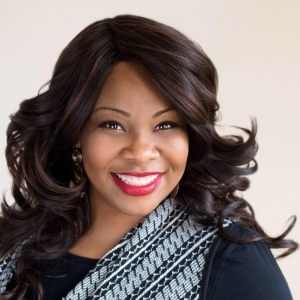
Jessyca is an English teacher at Carman-Ainsworth High School in Flint, Michigan, who has used her voice and her story to inspire students and move them to action. Her students have been inspired to use creative expression to channel their responses to multiple social issues. In 2017, her students developed a collaboration with students in Lansing, Michigan, finding the power of their collective voices to advocate for clean water during the Flint water crisis. Along with teaching a course on social activism and research, she is a soccer coach at CAHS and has written two books, Simply: A
Gabriel Smith serves as a Policy Fellow with the Congressional Black Caucus and the Capitol Hill office of New York Congressman Ritchie Torres. Previously, Smith worked as the Senior Associate for Learning and Dissemination with National Community Action Partnership (NCAP). In this role, he managed several learning cohorts of anti-poverty professionals from across the country as they explored the causes of poverty unique to their respective communities. Prior to his time at NCAP, Smith worked with Learning for Justice as the Program Associate responsible for curating LFJ’s text library and
What are the most salient similarities between mass incarceration and Jim Crow? Mass incarceration is a system of racialized social control that, like slavery and Jim Crow before it, operates to discriminate and create a stigmatized racial group locked into an inferior position by law and custom.
This strategy provides tools to create questions that help students engage critically with Perspectives central texts and examine them for issues of power and social inequity. The activities suggested here also encourage readers to bring their knowledge and experiences to the reading of a text.