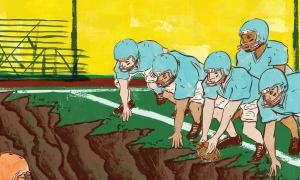
How do you teach current events in a highly politicized climate in which facts have alternate versions and newspaper editors have worn out the thesaurus looking up synonyms for lie?
Educators at mainstream schools can use the three activities in this toolkit to teach their colleagues and students about deaf and hard-of-hearing students.
How can educators push their students to think past a static understanding of history in developmentally appropriate ways? This teacher offers some insights from his classroom.
Katherine Scholes begins this informative piece by describing the multi-facted nature of the word "peace" and what it can mean to different people at different times. Then she provides concrete ways that each of us can be a peacemaker.
Sports rivalries can energize school spirit. But keeping events respectful takes a dynamic blend of foresight, leadership and buy-in from the community.
More than 60,000 youth are confined in 2,500 juvenile justice facilities in the United States every year. This toolkit provides a snapshot of effective practices used by educators who work in locked facilities—with application in other educational settings.
This history teacher elevates his lessons on stereotyping to the next level. How? By engaging his students in reflective investigations of power, history and intention.