author

3,873 Results
the moment
Twenty Years After Columbine
This weekend marks the 20th anniversary of the massacre at Columbine High School. As this week’s threats on Denver schools make clear, the history of this shooting—and those that followed—affects all students, not just survivors. In this edition of The Moment, we share a teacher’s reflection on what it means to educate under the threat of violence, an interview with a survivor who has translated her grief into action and recommendations for recognizing and addressing trauma in your classroom.
- A Teacher’s Plea to America
- Youth—United! #Enough in Marshall County, Kentucky
- Responding to Trauma in Your Classroom
the moment
Black, Indigenous and People of Color Mental Health Month
July is Black, Indigenous and People of Color (BIPOC) Mental Health Month. We know school communities and policies that prioritize mental health literacy can create safer spaces where all young people can thrive—especially BIPOC students, who face disparities in mental health care. We hope you’ll commit to reducing stigma and advocating for policy change in your school, this month and year-round.
- Black Minds Matter
- Broken and Healing: Normalizing Mental Health Issues in Our Classrooms
- Student Mental Health Matters
publication
Engaging Families and Caregivers
When educators actively engage the people who are central to children’s lives outside of school, they are building networks that support students’ experiences within school as well.
November 21, 2023
article
The Rhythm of Resilience

Following Hurricane Maria, these educators looked to tradition to help colleagues and students mourn what was lost—and celebrate what remains.
article
Let Your Voice Be Heard!
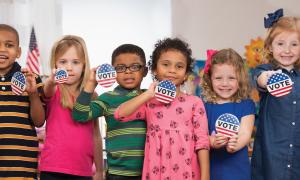
In this elementary, classroom-level project, students research the policy positions of elected officials at all levels to create a PSA encouraging voter participation.
the moment
Freedom Summer 1964—and Ongoing Civil Rights Battles
Freedom Summer not only marked the mobilization of civil rights organizers in Mississippi during the 1960s, but it also yielded the creation of Freedom Schools and historic legislation. The fight for civil rights continues today, from voting rights to efforts to keep educators from teaching truthfully about our country’s full history. Use these resources next school year to help students contextualize Freedom Summer and how it connects to movements today.
- Young, Gifted and Black: Teaching Freedom Summer to K-5 Students
- Freedom Wasn’t Free in ’64—and It Isn’t Free Now
- No School Like Freedom School
the moment
Advocate for BIPOC Mental Health This Year
It’s essential that educators, students and the entire school community work to reduce stigma associated with mental health issues, especially during Black, Indigenous and People of Color (BIPOC) Mental Health Month. Help interrupt school practices that disregard mental health—particularly for Black youth, who are less likely to receive adequate mental health care. Use these webinars to understand and practice self-care and address challenges students face.
- Black Minds Matter
- Student Mental Health Matters
- The Value of Educator Self-Care
article
The Opioid Crisis
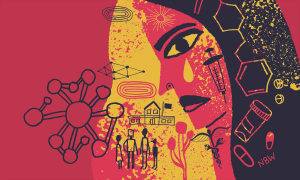
Addiction can suffocate a community—especially its youngest members. But schools that employ trauma-informed practices are giving childhood victims of the opioid epidemic a fighting chance.
article
Students Know the College-Admissions System Is Rigged

When news of the college-admissions cheating scandal broke this week, young people knew it was wrong and many weren’t surprised. Here’s how you can help them tap into their power in spite of it.