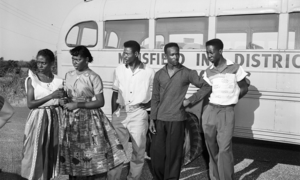
Local history has a profound effect on our communities. It’s up to educators to learn and teach students about the hard history in their own backyards.
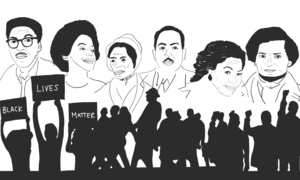
Go beyond trauma and struggle to examine the liberation, civic engagement, creativity and intersecting identities of Black people during Black History Month.
An executive director of educational equity explains how her district planned a workshop for Black Lives Matter at School Week of Action—and how you can, too.
The coronavirus became racialized, so it’s critical that educators understand the historical context and confront racist tropes and xenophobia from students and colleagues.
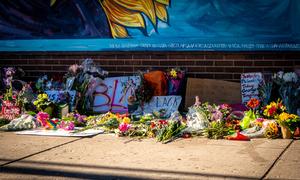
As protesters across the nation rise up against police violence and systemic racism in support of Black lives, there’s something white allies need to recognize.
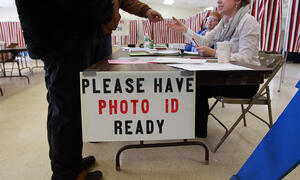
Use this excerpt from ‘One Person, No Vote: How Not All Voters Are Treated Equally’ to lead a conversation with students about the history of voter suppression in the United States before the Voting Rights Act of 1965.
Use these excerpts from ‘One Person, No Vote: How Not All Voters Are Treated Equally’ to help students identify claims, recognize evidence and evaluate the argument that charges of voter fraud can be a form of voter suppression.
We have to prepare students—and ourselves—to communicate, question and work our way through a disconnect when the outside world spills into the classroom.