The Teaching Tolerance staff reviews the latest in culturally aware literature and resources, offering the best picks for professional development and teachers of all grade levels.
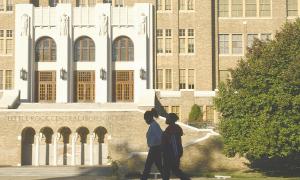
In 1957, nine black schoolchildren enrolled at Central High School in Little Rock, Ark., and compelled the nation to live up to its promise of equality. Fifty years later, Central High's teachers and students revisit the past to help shape the future.
One principal questions the value of educator conferences that focus on “student voice” without recognizing the social contexts in which voices struggle to be heard.
A new third-grader arrives at your school. He is blind. He is autistic. He is developmentally delayed. How does your school deal with the special needs of this child?
I stood beside Samara, my appointed student leader, with my lips shut tight, overly expressive eyes and a dry-erase marker in hand. I was ready to respond to my students in writing on the 13th annual National Day of Silence.
Last spring, our high school performed The Crucible, Arthur Miller’s play about the Salem witch trials (also an allegory of the witch hunts of McCarthyism). It’s one of my favorite plays. Watching the performance, I was struck by the character of Reverend Hale.