In a recent discussion about a history reading, I asked students if they understood the need to think critically about what we read, even if the reading is labeled “historical.”
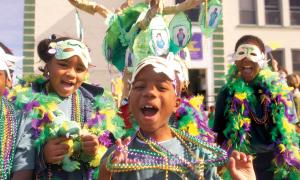
One year after Hurricane Katrina, hundreds of thousands of displaced students remain scattered in schools across the nation. In Houston, which has the largest concentration of evacuees, two schools continue helping displaced students adjust to new surroundings -- and honor what was lost or left behind.
Imani walked down the hall with a paper cup in her hands. She stopped and held up the cup to me. Inside of its paper walls were soil, water, and seeds—all those humble and elemental things that build a third-grader's scientific knowledge. Imani was growing cabbage.
Many times in my career, I have heard a colleague warn, “Watch out for that one! He’s trouble!” Students quickly gain a reputation with the teachers. In an effort to help each other, teachers may offer a warning about a challenging student. I’ve learned not to believe everything I’m told.
The NBA’s Golden State Warriors, educators, students and others are standing up to say, “I pledge to stand up to all forms of hate, bigotry and bullying.”
When Gary enrolled in her class, my friend Mary was warned that he had an attitude problem. But on his first day in her high school basic art class, she soon realized that Gary's main problem was the attitudes of certain other students.
A couple of nights ago, I took my daughter to Chuck-E-Cheese, a tradition of ours when her other mother is out of town. We play skee-ball to win long rows of tickets that we later exchange for plastic toys and stickers. We play — it’s our way of lessening how much we miss the Mom who’s not with us. This particular evening something besides the blinking lights of games caught my eye, though.