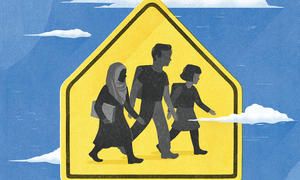
In almost every public school in the United States, attitudes and behaviors in the classroom presume an unacknowledged, yet pervasive, Christian norm. How does this affect students who are not Christian?
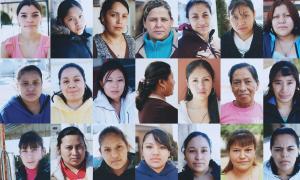
As the instructor of Human Relations and South Dakota Indian Studies classes, I am beaming with pride that our university students choose to tutor K-12 American Indian students. Not only do the pre-service teacher education majors gain valuable experiences with one-on-one tutoring, but as an added benefit, the academic achievement of the K-12 students is improving.
As I head back to the classroom, I think about the last school year. In the second-to-last week of school, my fifth-grade classroom was 90 degrees, with no air conditioning. My students were sitting together, helping each other, laughing, struggling and having fun. At the beginning of the year, they were unsure of each other. They smiled politely but kept to themselves or the friends they knew and never asked for help. So what had changed?
I asked a small group of second-graders what they would like to find inside their mailboxes. That was after we read a story about a goose who opened her mailbox and found a kite. I expected to hear answers of things: video games, toys or basketballs. But the first student who raised her hand looked at me with sincere, big brown eyes and said, "I'd like to find a letter from my dad." In my classroom, my kids say the profoundest things.
A simple statement at the start of the academic year or semester can help students with post-traumatic stress disorder approach potentially triggering material on their own terms.