Search


Type
Grade Level
Social Justice Domain
Subject
Topic

1,333 Results

the moment

Addressing Anti-Asian Bias

Amid the pandemic, Asian American people continue to experience racism, violence and harassment. These resources can help you teach the historical precedents for this moment, introduce ways for students to recognize and speak up against coronavirus racism, and start conversations with even the youngest learners about recognizing and acting to address injustice.

author

Mica Pollock

Mica Pollock, an anthropologist of education, studies how youth and adults struggle daily to discuss and address issues of racial difference, discrimination, and fairness in school and community settings. Her first book, Colormute: Race Talk Dilemmas in an American School explores the question: when it is helpful, and when is it harmful, to talk about racial patterns in schools? Her new book, Because of Race: How Americans Debate Harm and Opportunity in Our Schools, builds on her experience working in the U.S. Department of Education's Office for Civil Rights, where she investigated and
the moment

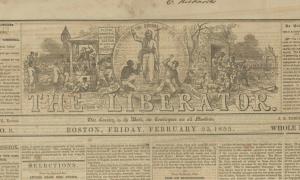
Teaching and Learning About Reconstruction

The PBS series Reconstruction: America After the Civil War has viewers across the country learning and talking about this critical period in U.S. history. These resources offer ways for educators to carry the lessons of Reconstruction into their schools and communities and a reminder of why we must be honest with students about the hard history of American slavery.

the moment

Protest Is Patriotic

This year, the Fourth of July arrives amid protests against racism and police brutality toward Black Americans and a focus on the role white supremacy has always played in the United States. As these resources show, this holiday and its symbols are tied to a long tradition of protest and demands that our nation make good on its promise of freedom for all.

article

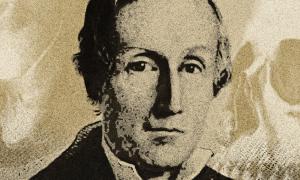
How Samuel Morton Got it Wrong

Most natural scientists of the 19th century held the belief that human beings were not only members of different races but of different species (also known as the theory of polygeny). This school of thought relied on the