A new third-grader arrives at your school. He is blind. He is autistic. He is developmentally delayed. How does your school deal with the special needs of this child?
I arrived to school ready for our morning staff meeting and took a seat among my colleagues. But today was different. There were about 30 student leaders joining us. As a newer staff member at the school, I had little idea of what to expect for our planned Culture Day, which was based on Teaching Tolerance’s “Mix It Up at Lunch Day.” The students were there because they were instrumental in planning and pulling it off.
This guide can help staff move the entire school toward a comprehensive and culturally responsive approach to serving English Language Learners and their families.
Charter schools tailored to the needs of newly arrived immigrants are getting a lot of attention. But are they working? And will they lead to a new kind of segregation?
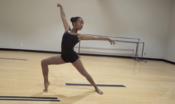
“Ava is an ambitious teenager who owes much of her inner strength to a dance studio in South L.A. Founder Lula Washington and her daughter Tamica are professional dancers — and they are role models as well as teachers. At their dance school, African American children learn to respect themselves, their bodies, and their cultural traditions. The young dancers also defy stereotypes by mastering ballet. The dance program cultivates self-discipline and mutual support that enables girls like Ava to flourish even when their families are facing hard times.”