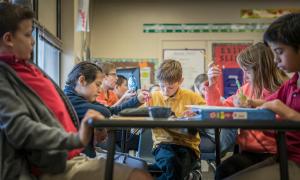
Our friends at Gender Spectrum are announcing a new resource to ensure your teaching of puberty and health education is accurate and inclusive of all students.
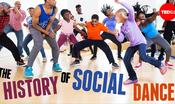
Why do we dance? African-American social dances started as a way for enslaved Africans to keep cultural traditions alive and retain a sense of inner freedom. They remain an affirmation of identity and independence. In this electric demonstration, packed with live performances, choreographer, educator and TED Fellow Camille A. Brown explores what happens when communities let loose and express themselves by dancing together.
“Back to school” shouldn’t mean “back to hate.” Here’s a look at the hate incidents we reported last school year—and steps for making this year better.
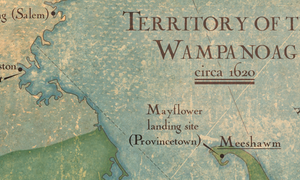
One teacher explains how she turned “Thanksgiving Trivia” into an opportunity to share under-taught history with her colleagues as well as her students, regardless of the time of year.
Students learn about the World War II incarceration of Japanese Americans from people who lived through it. This video depicts how students use metaphorical thinking to deepen their understanding using the thinking routine, Color-Symbol-Image.
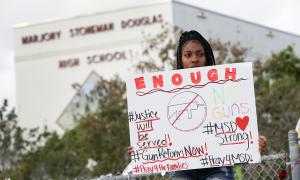
On the anniversary of the shooting at Marjory Stoneman Douglas High School, we remember the students and educators we've lost and recognize those who have mobilized their grief into action.