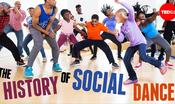
Why do we dance? African-American social dances started as a way for enslaved Africans to keep cultural traditions alive and retain a sense of inner freedom. They remain an affirmation of identity and independence. In this electric demonstration, packed with live performances, choreographer, educator and TED Fellow Camille A. Brown explores what happens when communities let loose and express themselves by dancing together.
The letter briefly discusses William’s thoughts on the Civil War’s impact on Southern slavery, the ongoing decline of the institution of slavery and his occupation in the Confederate army.
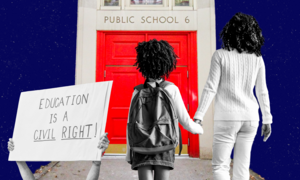
Vouchers are part of a broader effort to dismantle public schools, moving public taxpayer funds into private for-profit institutions. This is the third of three articles on public schools as a common good, which explore the possibilities and threats to public education.
As the first Black woman is appointed to the U.S. Supreme Court, there are lessons we can all learn about intersectionality, representation and our essential role in eliminating obstacles for young people.
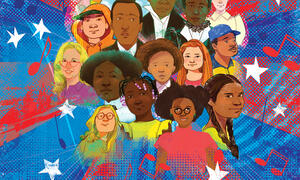
What is honest history, why is it essential for our democracy, and how can parents, caregivers and community members advocate for honest history education?
The guiding principles behind the Black Lives Matter At School Week of Action can be an important frame through which to reimagine more liberatory educational spaces for Black children.