publication

1,480 Results
article
Why Civics Needs Social Justice Education

Social justice-oriented civics education is crucial for developing the civic knowledge, skills and dispositions people need to fulfill the potential of a multiracial and inclusive democracy.
article
Who Decides What’s “Civil”?
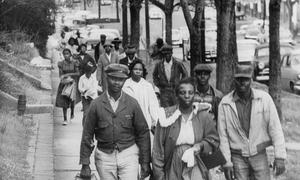
When acts of protest are met with calls for civility, it’s a good idea to give students some historical context about the concept.
article
Lies My Bookshelf Told Me: Slavery in Children’s Literature

Children’s books are a common way to introduce the topic of slavery to our youngest students. But what do we do when the stories get it wrong?
article
Teaching the Government Shutdown
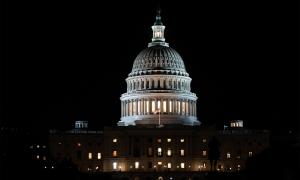
Avoid polarized arguments about the federal government shutdown by emphasizing historical context, processes and the shutdown's effect on people across the United States.
text
Multimedia
The Atlantic Slave Trade: What too few textbooks told you

Slavery has occurred in many forms throughout the world, but the Atlantic slave trade-which forcibly brought more than 10 million Africans to the Americas-stands out for both its global scale and its lasting legacy. Anthony Hazard discusses the historical, economic and personal impact of this massive historical injustice.
September 28, 2018
article
Engendering Inclusivity in a Language Class

Language classrooms allow students to grapple with how gender affects their understanding of the world, but they also allow teachers to engender their own classrooms as inclusive and safe places for all students.
article
There’s Good People Out There: A Conversation With Charles Person

Charles Person, the youngest of the original Freedom Riders of 1961, reminds us that collective civic action is essential, and so is being one of the good people out there.
article
Other People's Shoes
A secondary teacher uses multiple perspectives to examine the past.
article
Survey Says?
Teaching Tolerance asks educators about the social climate of their classrooms