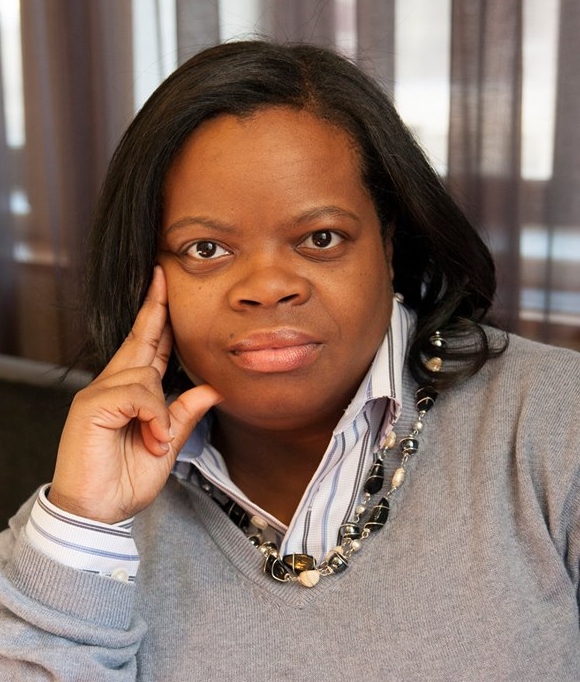
Dr. Shantá R. Robinson holds a B.A. in sociology from the University of North Carolina at Asheville and an M.A. in public administration from the University of North Carolina at Charlotte. She earned her Ph.D. in educational studies at the University of Michigan, where she specialized in the sociology of education; qualitative methodologies; and issues of race, class and access in secondary schooling. She began her professional career as a high school history teacher in Charlotte. Robinson’s research interests include the role of social identity in marginalized students’ educational
Jeffrey is a seventh-grade English teacher at West Virginia’s DuPont Middle School. He holds certifications for English and social studies and often blends the two subjects in his classroom. In addition to teaching, he coaches track and field at DuPont; from time to time he uses poetry and history lessons to motivate his team. Webb has had pieces published in Vandalia, Red Mud Review, Pikeville Review and The Charleston Anvil.
George is an award-winning teacher and author. The child of Holocaust survivors, he began teaching in 1983 to tell his family’s story and increase acceptance and understanding among young people. Cassutto was an innovator in bringing the internet to the K-12 classroom during the 1990s. He has since published The Internet Pocket Guide for Teachers, Civics Lesson Plans and US History Lesson Plans for new, overworked and out-of-subject-area teachers.
Like many schools being called on to reconsider their mascot, the University of Mississippi convenes a student-run committee to find a replacement for theirs—a Confederate soldier.
Katherine Scholes begins this informative piece by describing the multi-facted nature of the word "peace" and what it can mean to different people at different times. Then she provides concrete ways that each of us can be a peacemaker.
This middle school history teacher uses complexity—and all the uncertainty that comes along with it—as the starting point for his unit on the Middle East.