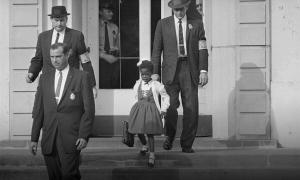
When educators feel like they are not alone in their belief that students deserve access to accurate and inclusive learning, they are more likely to persevere in their advocacy for teaching honest histories.
As the current election cycle reaches its climax, establishing “intellectually safe” communities of inquiry can help mitigate the negative effects the campaign has had on children and classrooms.
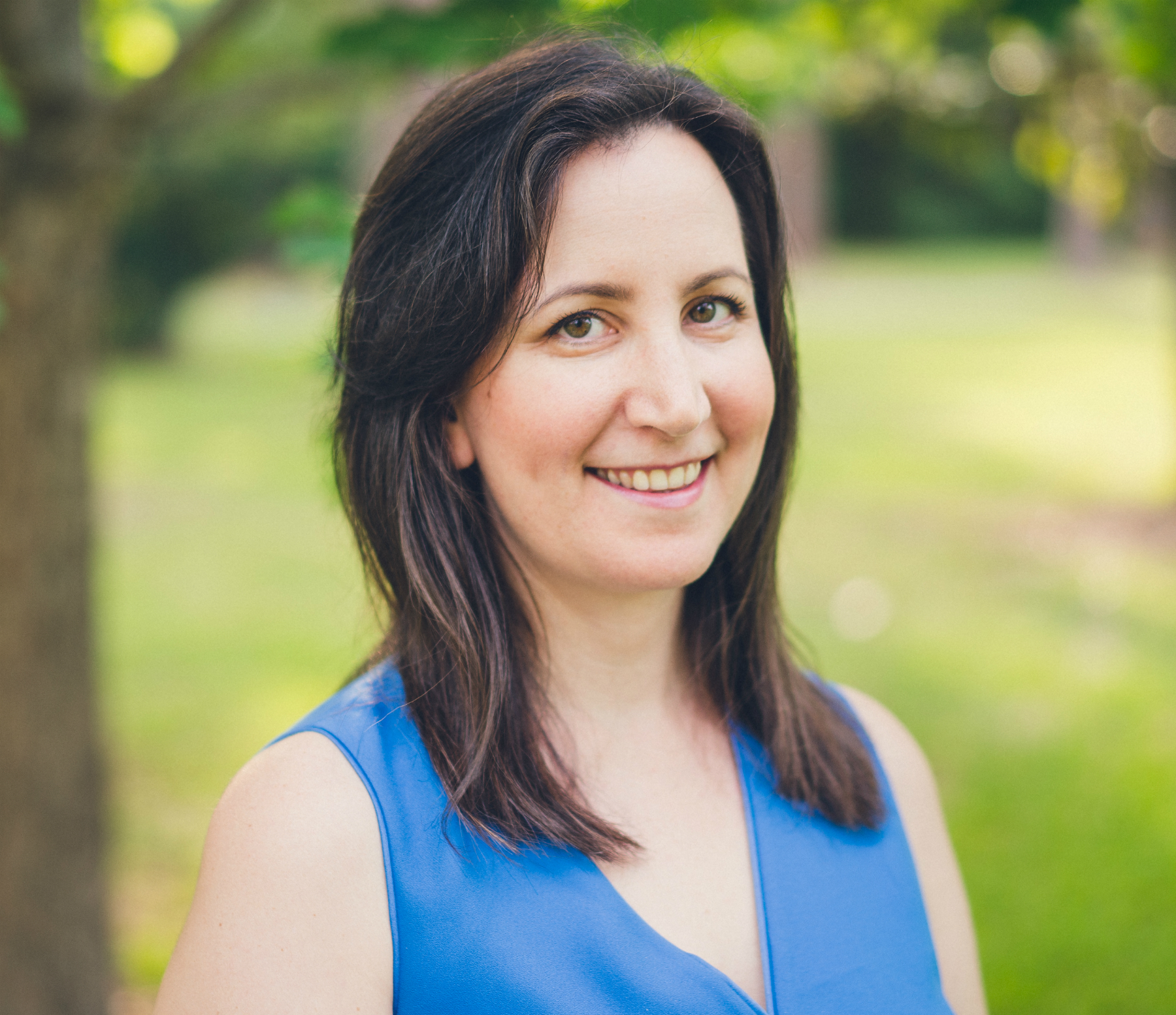
Jennifer L. Lieberman is Assistant Professor of English at the University of North Florida, and has taught classes to conventional and incarcerated students in subjects ranging from American literature and African-American literature to gender and women studies and the history of science, medicine, and technology. She was the Presidential Diversity and Inclusion Award winner and the Florida Blue Center for Ethics Fellow at her university in 2017, both for her work in ethics and social justice. Her book, Power Lines: Electricity in American Life and Letters, 1882-1952, is available from The MIT
The U.N. General Assembly adopted the original version of the Universal Declaration of Human Rights in 1948. The intention was to safeguard the international community against atrocities such as occurred during World War II.