This lesson focuses on questions of justice and the role youth have played in social and political movements. By reading a combination of primary and secondary sources, students will learn how the Little Rock Nine came to play their important role. These teenagers’ participation in school integration stemmed not from the prodding of the parents or activists, but from within themselves.
In this excerpt, the narrator, a young Chinese girl, poses as a boy with forged papers, trying to gain entry into the United States. When she realizes the American immigration agents are checking identity papers at the dock, she fights past them and runs for her life.
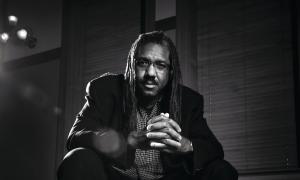
Sean Price's interview with Arizona State University Professor Neal A. Lester. Lester has twice taught courses on the n-word—and found there’s plenty to talk about.
Dr. Rachael Mahmood is a fifth grade teacher in a large school district outside of Chicago. In addition to teaching, she works as an equity ambassador designing and delivering equity workshops throughout her school district as well as in surrounding schools. Dr. Mahmood shares ideas, lessons, and frameworks for culturally responsive teaching with other educators on her YouTube channel and on Twitter. Her doctoral research re-examined parent involvement models to credit the involvement of African American mothers with low incomes. In January 2020, she was featured in the Chicago Tribune
With or without the latest headlines from the White House, immigration is worthy of class discussion, and teachers should be ready to facilitate that discussion.
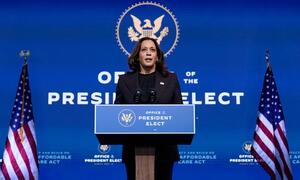
The election of a biracial, Black, South Asian daughter of immigrant parents to the vice presidency is a historic moment for all of us—especially girls and women of color.
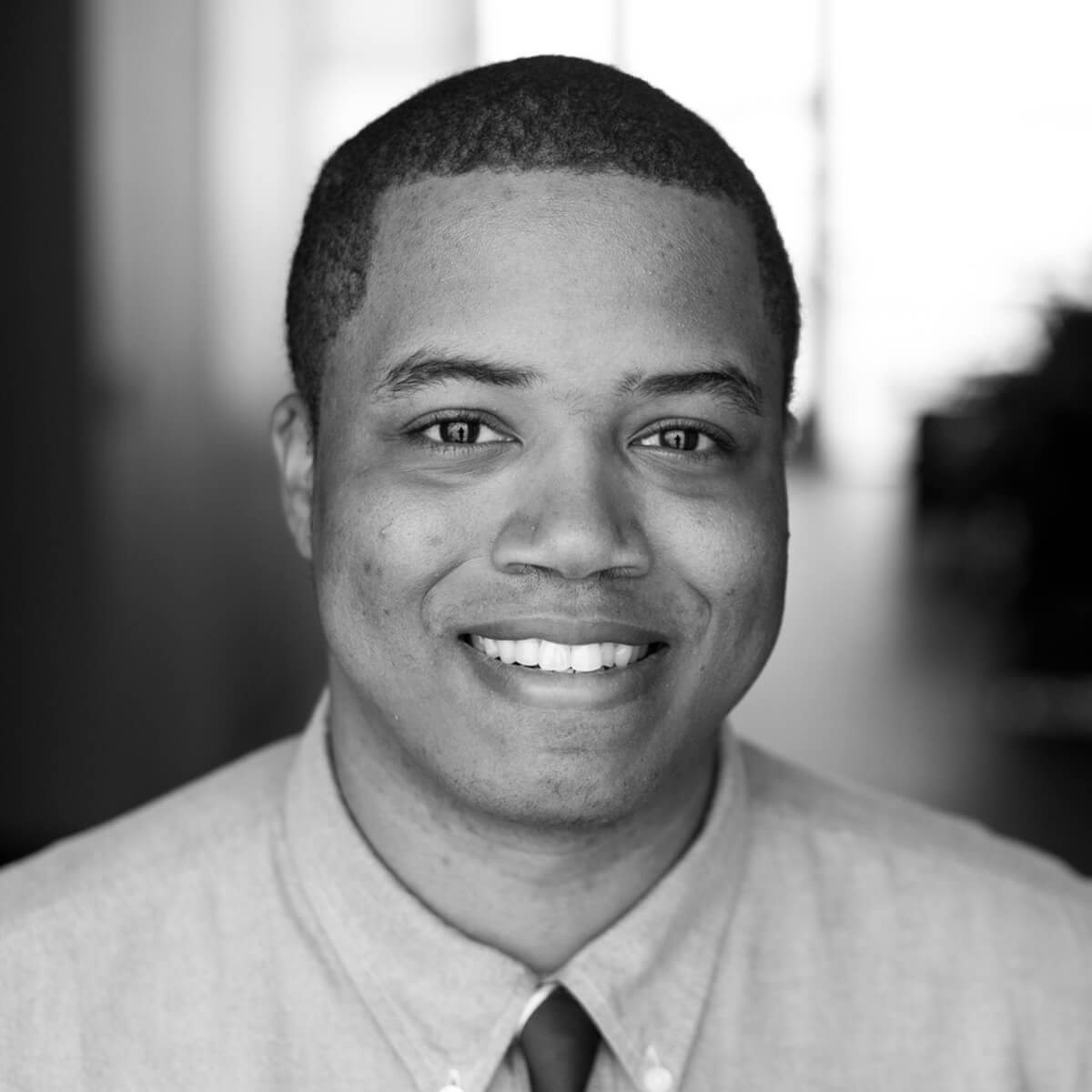
Gabriel Smith serves as a Policy Fellow with the Congressional Black Caucus and the Capitol Hill office of New York Congressman Ritchie Torres. Previously, Smith worked as the Senior Associate for Learning and Dissemination with National Community Action Partnership (NCAP). In this role, he managed several learning cohorts of anti-poverty professionals from across the country as they explored the causes of poverty unique to their respective communities. Prior to his time at NCAP, Smith worked with Learning for Justice as the Program Associate responsible for curating LFJ’s text library and