Parents of color and parents of conscience, whose children make up the majority of students in public education, must be centered in conversations on race and inclusive education.
Schools across the nation are committing to the all-important work of anti-racism. Schools with predominately white or privileged students should be no exception.
Anoa J. Changa (she/her) is a southern-based movement journalist and retired attorney. She previously served as a grassroots digital organizer and strategic advisor to several organizations. As a journalist, Anoa is deeply influenced by grassroots-led electoral organizing efforts. She approaches coverage through a lens that centers on impacted communities and moving beyond the status quo. Anoa follows in the footsteps of Black journalists like Ida B. Wells-Barnett, who leveraged the power of the media to uphold justice, defy white supremacy and expand access to democracy. Anoa is also the host
A Democratic laborer comments on the problem of abolitionism in the North as well as the South, claiming that the emancipation of enslaved people will result in the damaging of white labor rights and opportunities.
TT Educator Grants support social justice at the classroom, school and district levels. TT's grants manager spoke with grantee Jenny Finn about her project helping her Appalachian students explore racism and white privilege close to home.
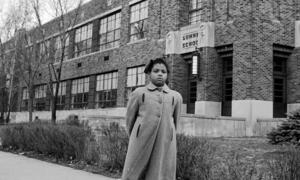
As we remember Linda Brown Thompson, we must also consider the reality of the world she lived in when, at the age of 9, she became the face of school desegregation.
LFJ Director Jalaya Liles Dunn explains that “the victories for justice must be fought for and by ordinary people in the South together with allies from other parts of the nation.”