Survey Questions Where is your school or district located? Which of these best describes your work setting? Elementary school Middle/intermediate school High school Ungraded/Alternative school Comprehensive (K–12) school
No one knows the extent of the problem nationally. In 2018, the SPLC’s Learning for Justice project, then Teaching Tolerance, collected hundreds of news reports detailing hate in schools directed toward individuals or
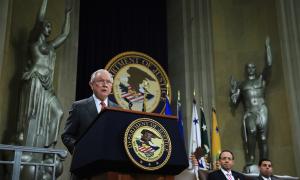
On Monday, Attorney General Jeff Sessions announced the creation of a task force that—in the name of “religious liberty”—threatens to systemically oppress LGBTQ students. The time for educators to demonstrate their allyship is now.
Tracking and ability grouping remain common practices in schools across the country despite research showing these practices contribute to segregated classes and opportunity gaps. In Walla Walla, Washington, a group of educators decided to try something different.
When educators take the time to build and sustain engagement with students’ caregivers, they illustrate social justice in action, showing students that their identities and living situations are valuable and worthy of understanding.
In the 2016 Trump Effect reports, we reported that bullying had been politicized, with even young students latching on to political talking points and slogans as a way of isolating and intimidating others. This
LFJ Deputy Director Hoyt Phillips offers insight into the significance of intentional and consistent relationship building—inside the classroom and beyond.