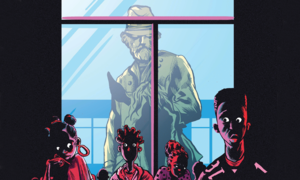
In this second blog of a two-part series, a high school English teacher in the Dominican Republic explains how her students’ exploration of social injustices materialized in an action project that no one involved will ever forget.
K.C.B. is a high school student in Alabama. With an almost insatiable aspiration to advocate regarding the educational norms and precedents set for students in Alabama and beyond, her care for the cultivation of truth in learning was fostered by a lack of educational support in an area that she strongly identifies with: her culture. And, until most recently (her sophomore year of high school), no teacher had ever spent an entire class period discussing the history of Black Americans in American history. She is an honor student, a member of her school’s student council, a performing member of a
This week’s congressional hearings on Russian interference with the 2016 presidential election offer a great opportunity to teach about the larger implications of misinformation: the dismantling of democracy.
An educator’s message motivated by personal unresolved grief leads to the creation of a safe space for intensive, interactive learning about racism and honest U.S. history.
This is the majority opinion of the U.S. Supreme Court in the Amistad case. It illustrates an important moment in American history when enslaved Africans won legal freedom.