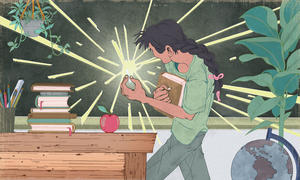
This educator—originally from North Dakota—shares two reflections that inform how and what she teaches about Standing Rock and the Dakota Access Pipeline.
There’s a long history of U.S. schools failing Indigenous peoples, cultures and histories. In this story, Native parents and educators share examples of how educators and schools still get it wrong—and the steps they can take to fix their mistakes.
John Brown was charged with murder, insurrection and treason after the raid on Harpers Ferry. After being found guilty and while awaiting his sentencing, he was asked if there was any reason he should not be given the death sentence. He responded with this speech.
This essay introduces the Universal Negro Improvement Association and some of its core beliefs, such as the idea that all African-descended people should work together to achieve preservation and independce from whites at home and abroad, particularly in Africa.
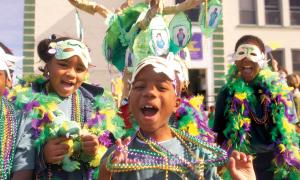
One year after Hurricane Katrina, hundreds of thousands of displaced students remain scattered in schools across the nation. In Houston, which has the largest concentration of evacuees, two schools continue helping displaced students adjust to new surroundings -- and honor what was lost or left behind.
In this short story, from the 1853 abolitionist collection Autographs for Freedom, Parker shares a heartbreaking tale that shows some of the damage enslavement inflicts on families.
In today’s anti-government, anti-union environment, it’s important to illustrate what happens when the powerful hold all the cards. The Triangle shirtwaist fire presents an opportunity to do just that.