article

1,247 Results
text
Informational
Home Was a Horse Stall
On December 7, 1941 Japan attacked Pearl Harbor and prompted the United States to enter World War II. While many Americans were concerned about the war abroad, they were also paranoid about the “threat” of Japanese Americans at home. As a result, many Japanese Americans were forced into internment camps on American soil.
August 22, 2016
text
Informational
President Obama's Address on the 50th Anniversary of Bloody Sunday
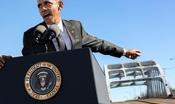
Obama's 2015 speech on the Edmund Pettus Bridge honors the anniversary of "Bloody Sunday," when hundreds of voting-rights activists were brutally attacked by state troopers as they began a march from Selma to Montgomery, Alabama. President Obama reminds us of the spirit and struggle associated with the marchers in Selma, or any group of people meeting injustice.
March 11, 2015
article
What We're Reading
Teaching Tolerance loves to read! Check out a few of our favorite books for diverse readers and educators.
article
A Town, a Teacher and a Wartime Tragedy
On the arid flatlands near the small town of Delta, Utah, 140 miles southwest of Salt Lake City, the scorching summer winds whip dust through the dry brush, and winter cold freezes the ground under a blanket of snow. In this forbidding landscape lie remnants of an American tragedy -- an internment camp that housed over 8,000 Japanese Americans behind barbed wire and armed guards during World War II. Named for a barren nearby mountain, the camp became known as Topaz.
article
Why We Need Black History Month

Analyzing and celebrating Black history helps students think critically about present-day social issues.
article
What We're Reading
Our book reviews can help you keep your practice fresh and informed.
article
Mathematics in Context: The Pedagogy of Liberation

Social justice education isn’t limited to humanities courses. Two math educators explain how their commitment to equity informs the way they teach.
publication
Anti-Immigrant
Animus toward people perceived to be immigrants led to a significant amount of harassment in schools; about 18 percent of the incidents that educators reported were directed toward people seen as “foreign.” This category
May 1, 2019
text
Informational
Four Freedoms
In his 1941 State of the Union Address, President Franklin D. Roosevelt outlined four fundamental human freedoms—the freedom of speech, of worship, from want, and from fear—for the United States and the rest of the world.
June 10, 2015